$69.00 Original price was: $69.00.$4.99Current price is: $4.99.
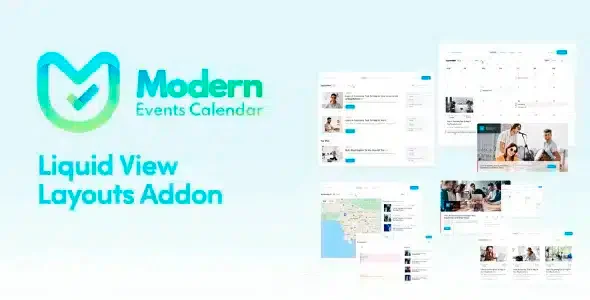
Liquid Layouts for MEC is an extension for The Events Calendar (MEC) plugin that allows you to design calendar views with fluid and responsive visual structures. Designed for WordPress administrators who need complete control over event presentation without writing code, its main technical benefit is the separation of content and design within the calendar ecosystem.
Introduction to Liquid Layouts for MEC
When MEC displays events in rigid formats that don't suit your site's design, the technical team wastes time forcing custom CSS or creating templates from scratch; this plugin eliminates that friction by offering configurable layouts directly from the panel, without any intervention in the source code.
The technical nature of this tool lies in its modular view architecture. Each layout is managed as an independent layer on top of MEC, reducing the operational maintenance burden when the theme or base plugin receives updates. The administrator doesn't need to rebuild styles every time there's a change in the environment.
Imagine a technician managing a cultural events portal with dozens of entries each month. Before implementing this module, every visual change to the event listing required editing template files and validating them in staging. With the extension active, the same technician can adjust the visual structure from the back office in minutes, without touching a single line of PHP.
Product overview
The visual management of event calendars in WordPress directly impacts the end-user experience and the team's ability to keep the site operational without relying on a developer for every adjustment; in stores or portals that scale, that dependency becomes a real bottleneck.
Without this plugin, the operator works with MEC's default views. Any visual customization requires knowledge of Twig or PHP templates, FTP access, and manual testing. A layout change can take hours and break something in production if a properly configured test environment isn't in place.
- Without the add-on: The team relies on a developer to modify the presentation of events, which creates frequent bottlenecks and delays in publishing updated visual content.
- With the active add-on: The administrator selects and configures fluid layouts directly from the MEC panel, adjusting columns, fonts, and information blocks without editing files.
- Observable result: Visual update time is drastically reduced, the content team gains real autonomy, and events are displayed with a consistent structure on any device.
Requirements and compatibility
Before integrating this tool into your environment, it is advisable to verify that MEC (Modern Events Calendar) is installed and functioning correctly as a base plugin, since Liquid Layouts for MEC acts as a direct extension of that ecosystem and does not operate independently.
- Main dependency: It requires Modern Events Calendar to be active; without it, the module has no functional context to operate on.
- Operational compatibility: It integrates with MEC's list, grid, and calendar views; compatible with environments that use page builders like Elementor or Gutenberg for the rest of the site.
- Validation recommendation: If the site has advanced customizations of existing MEC templates, it's advisable to test in staging to verify that fluid layouts don't overwrite previous settings before taking the changes to production.
Key benefits for your operation
- Content team autonomy: Many operators waste hours coordinating with a developer for minor visual changes. This module shifts control of the presentation to the site administrator, reducing dependencies and accelerating the deployment of visual changes without technical friction.
- Visual consistency across multiple views: When a portal manages events across different categories, maintaining visual consistency between grid, list, and month views is a constant challenge. This extension applies fluid structures uniformly, ensuring that the end user sees a consistent experience regardless of the view they are using.
- Reduction of errors in production: Manual template customizations are a frequent source of errors after updates. By managing layouts from a separate layer from the MEC core, this plugin reduces the likelihood that an update to the base plugin will break the calendar's visual presentation.
- Adaptability to different devices: Fluid layouts adapt to different screen sizes without requiring additional CSS rules. The result is a more stable browsing experience on mobile, tablet, and desktop, without the technical team having to manually manage breakpoints.
- Scalability without additional technical cost: As the volume of events grows, maintaining the visual quality of the calendar becomes more complex. This tool allows you to scale the presentation without adding technical debt, because each new event automatically inherits the structure defined in the active layout.
- Better UX for the visitor: A visually disorganized calendar leads to abandonment. Well-structured layouts improve the readability of event information, reduce user confusion, and increase the likelihood that visitors will complete an action, such as registering or purchasing a ticket.
Highlighted Features of Liquid Layouts for MEC
- Fluid view design: The core of this extension allows you to configure column and block structures that dynamically adapt to the available container. In a store or portal with events of varying durations and information densities, this prevents visual clutter and maintains readability without constant manual adjustments.
- Typography and spacing control by layout: Each event view can have its own typography and margin settings. This is especially useful when a single calendar displays events from very different categories—conferences, workshops, concerts—that require different visual emphasis without creating separate templates.
- Page builder compatibility: The tool does not interfere with Elementor, Gutenberg, or other builders used on the rest of the site. The administrator can maintain the usual design flow for general content while managing calendar views independently and consistently.
- Management from the administration panel: All layout adjustments are made from the WordPress back office, without requiring server access or file editing. This reduces operational risk and allows non-technical team members to participate in the visual management of the calendar.
- Automatic inheritance of structure for new events: When a new event is created, it automatically inherits the layout configured for its category or view. The team doesn't need to manually review the presentation of each new entry, eliminating a common source of visual inconsistencies on portals with a high publishing frequency.
- Separation between data and presentation: The extension operates as a presentation layer on top of the MEC data, without modifying the database structure or the rules of the base plugin. This facilitates technical traceability and simplifies diagnostic processes when unexpected behavior occurs.
Who is this product for?
This plugin is designed for those who manage frequently updated event calendars and need a consistent visual presentation without constant technical intervention. It is especially valuable in environments where the content and technical teams work separately.
- WordPress Administrators and Technicians They are looking to reduce technical debt associated with template customizations and want to maintain visual control of the calendar from the back office.
- Teams that manage multiple projects or portals with event calendars and need a consistent design solution that doesn't require configuration from scratch in each instance.
- UX and content marketing managers who rely on the visual presentation of the calendar to communicate the schedule of events in a clear and attractive way, and who do not want to wait for a developer for every adjustment.
Real-world use cases
- Cultural portal with a packed monthly agenda: An urban culture website publishes between 30 and 50 events per month across various categories. Without layout control, the event grid mixes blocks of different sizes, creating visual confusion. With this module enabled, the administrator defines a fluid structure for each category, and all new events automatically inherit it, resulting in a legible and consistent calendar that visitors can navigate more easily.
- Training school with course schedule: The content team updates the course calendar weekly, but each time they did, they noticed visual inconsistencies between the desktop listing and the mobile view. After implementing this extension, the fluid layouts standardized the presentation across all devices, and the team stopped receiving reports from users confused by the mobile display.
- Agency that manages multiple client sites with MEC: Maintaining visual consistency across multiple client calendars was consuming unnecessary development time. With Liquid Layouts for MEC, the agency set up a library of reusable layouts that it applies to every project, reducing visual setup time and ensuring uniform presentation standards across clients.
- WooCommerce store with events and tickets: A business selling tickets through WooCommerce needed the events view to reflect its brand identity without disrupting the checkout process. The tool allowed them to adjust the calendar layout to align with the overall store design, maintaining visual consistency from the first visit to the purchase confirmation.
Frequently Asked Questions about Liquid Layouts for MEC
Does it work with any MEC installation or does it require any specific pre-configuration?
The extension operates on top of Modern Events Calendar as its active base plugin; without this dependency, it lacks functional context. Beyond that, it requires no complex prior configuration. If you already have MEC running with published events, you can start applying fluid layouts from the dashboard without any additional steps. It's advisable to check for any active template customizations to avoid occasional visual conflicts.
How does this affect the end user browsing the calendar on the site?
The direct impact is a more coherent visual experience, tailored to the visitor's device. Fluid layouts eliminate text overflows, misaligned blocks, and inconsistencies between views that cause confusion. A user who arrives at an events portal and finds a clear and legible schedule is more likely to explore more events and complete an action such as registering or purchasing a ticket.
Does it allow you to configure rules or conditions to display different layouts depending on the type of event?
Yes, the tool allows you to assign different visual structures depending on the view or event category. This is useful when a single calendar groups very different types of content—a workshop and a festival, for example—that require different visual emphasis. The configuration is managed from the back office without the need for conditional logic in code.
Does it have any effect on the payment process if MEC is integrated with WooCommerce for ticket sales?
This module affects the visual presentation of the calendar, not the WooCommerce checkout flow. The checkout remains independent. What it does improve is the pre-checkout experience: a well-structured event view conveys more confidence and clarity about what the user is buying, which can reduce cart abandonment.
Does it affect how coupons are applied or prices are displayed at events?
It does not interfere with WooCommerce's pricing, coupon, or tax logic. Its scope is limited to the visual presentation of calendar views. If MEC displays ticket prices as part of the event details, that data will continue to be managed through WooCommerce or MEC settings, as appropriate; this plugin only controls how that information is visually structured on screen.
How does it perform on sites with a high volume of events published simultaneously?
Fluid layouts don't add any extra database queries; they operate as a presentation layer on top of the data that MEC already manages. On sites with high event volumes, the performance impact is minimal. That said, as with any visual extension, it's advisable to monitor calendar view load times in environments with many concurrent events to detect any cumulative effects.
Can it be used in WordPress installations with multiple sites or in agencies that manage several portals?
The module is compatible with WordPress multisite environments, making it especially useful for agencies managing multiple client portals with MEC. Configured layouts can be replicated across sites, reducing initial setup time for each new project. This ensures operational consistency when working with a base template deployed across multiple instances.
How can I verify that the layouts are working correctly after setting them up?
A practical checklist includes: verifying that the list, grid, and month views display the expected structure on desktop and mobile; confirming that new events inherit the configured layout without manual intervention; checking for visual overflow in events with long titles or descriptions; and verifying that the design remains consistent after publishing an event from a different category than usual. If all of these work consistently, the module is operational.
Short description
MEC extension that allows you to design calendar views with fluid and adaptable layouts from the back office, without touching templates or code, for teams that need real visual control over their event agenda.

Written and reviewed by the PrimeGPL Team
At PrimeGPL, we ensure that every piece of published content is verified and reviewed by our team. We analyze features, compatibility, and performance to provide you with clear, up-to-date, and truly useful information for each product listed in our store.
Get your questions answered here
We answer your questions so you can buy in an informed and confident manner.
Does my purchase include updates?
Yes. Every product purchase includes lifetime updates, so you won't have to pay extra under any circumstances.
Is there a daily download limit?
No, not at all. After your purchase, you can download it as many times as you need, without any problem.
On how many websites can I use the products?
You can use your purchases on as many domains (websites) as you want, without any problems.
Does it include technical support?
Yes. We offer technical support Monday through Friday, during business hours UTC -3. This support includes assistance with issues related to download problems, installation problems, or errors with the purchased product.
Furthermore, support does not include configurations, customizations, tutorials, or services associated with the author.
Does my purchase have a warranty?
Yes, of course. If you have any problem that we can't solve, or if there's an external issue that doesn't have a general solution related to our service, you'll receive support and, if necessary, a full refund.
How do I access support?
After your purchase, from your user account, you can access the support section, where you can open a ticket and our team will assist you with whatever you need.
Download Previous Versions
If you have purchased this product, or have an active membership, you can download previous versions without any limits or restrictions.
| Product Name | Version | Size | Date | Download |
|---|---|---|---|---|
| No hay versiones anteriores registradas. | ||||
Related Products
Below we show you different products that share the same category.